As we move toward 2027, several sectors in Pakistan remain underdeveloped relative to demand, population growth, and regional trade potential. This gap between need and supply is precisely where intelligent capital can still create real value. Unlike mature markets where returns are often compressed, Pakistan still offers room for investors who combine capital with local understanding and disciplined execution.
The key is not to approach the country with unrealistic expectations or short-term speculation. The strongest opportunities tend to emerge when capital is patient, structured properly, and paired with people who understand both the local environment and international standards.
1. Agriculture & Food Production
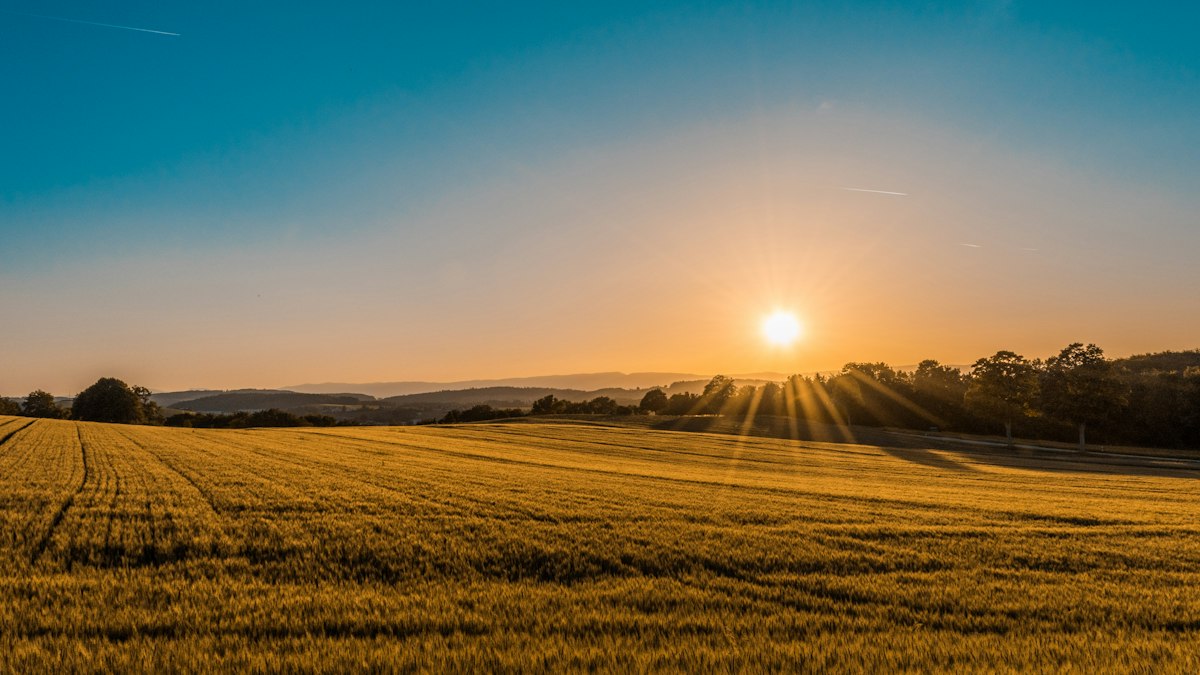
Agriculture remains one of Pakistan’s strongest fundamentals. The country has a large agricultural base, improving logistics infrastructure, and rising demand both domestically and for exports. Despite challenges, this sector continues to attract serious attention from investors who look beyond headlines.
Areas of opportunity:
- Modern farming techniques and high-yield crop production
- Poultry and livestock farming
- Cold storage and temperature-controlled logistics
- Food processing and value-added products
- Export-oriented agricultural businesses
Well-managed agricultural projects can deliver attractive and relatively stable returns, particularly when the focus moves beyond raw commodities into processing and branding. Margins improve significantly when investors participate further up the value chain rather than remaining at the production level only.
The real advantage in this sector often comes from operational improvements — better seed quality, efficient irrigation, stronger supply chain management, and access to export markets. Investors who bring not only capital but also process discipline tend to see better outcomes.
2. Manufacturing & Light Industry
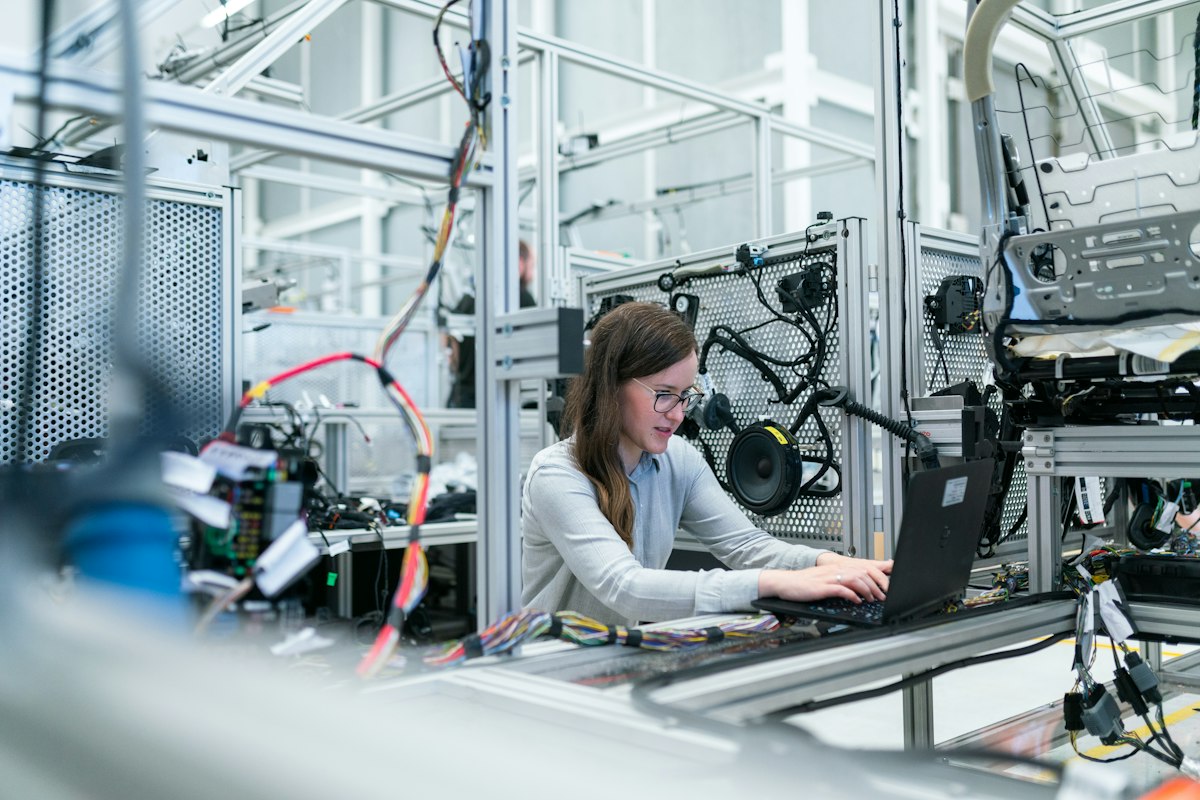
Pakistan has a long tradition in manufacturing, especially in textiles, garments, and light industrial production. As production costs continue to rise in other traditional manufacturing hubs, attention is gradually shifting toward competitive locations that can still offer quality at reasonable cost.
Opportunities currently exist in:
- Value-added textiles and apparel
- Packaging materials and industrial supplies
- Small to mid-scale production facilities
- Component manufacturing for regional markets
Success in manufacturing depends heavily on operational excellence, consistent quality, and reliable market access. Investors who treat these businesses as long-term platforms rather than quick opportunities are more likely to build something sustainable.
3. Handicrafts, Craftsmanship & Design-Led Products
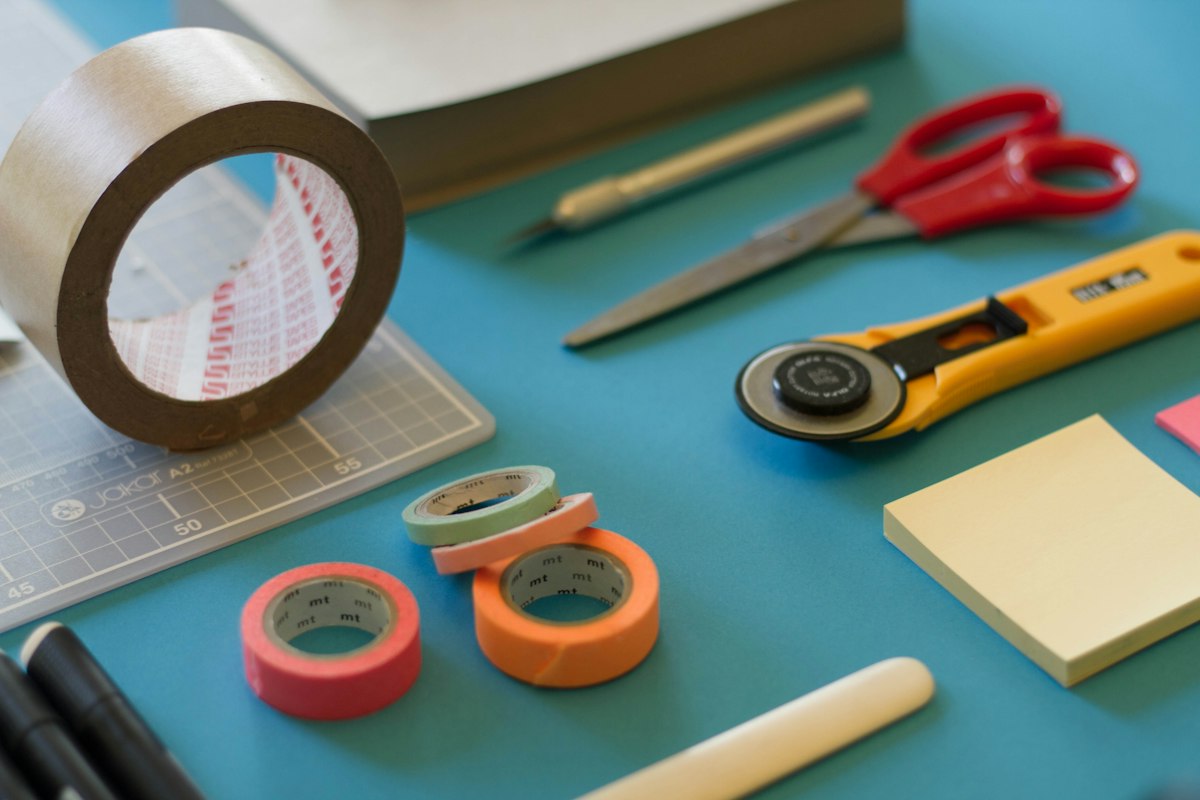
There is a growing global demand for authentic products that carry cultural depth while meeting modern quality and design standards. Pakistan has deep artisanal skills across textiles, woodwork, metalwork, and other traditional crafts. However, much of this capability remains fragmented and under-commercialized.
When traditional craftsmanship is combined with contemporary design, professional branding, and international distribution channels, the value of the final product increases substantially. This space is less about pure volume and more about positioning, storytelling, and consistency.
Investors who understand both the cultural roots and the requirements of modern consumers can help elevate these products from local craft into globally relevant brands.

4. Trade, Import & Export
Pakistan’s geographic position and relationships with the Gulf region, Central Asia, and beyond create natural trade corridors. Investors who understand both the supply side in Pakistan and demand patterns in target markets can build profitable trading and distribution businesses.
In this sector, success depends less on the size of capital alone and more on relationships, reliability, market knowledge, and the ability to execute consistently. Trust and reputation play a significant role.
5. Real Estate & Urban Development (Selective Approach)
Real estate can be attractive, but it requires careful selection and realistic underwriting. The stronger opportunities tend to appear in commercial, logistics, and mixed-use developments that are tied to actual economic activity rather than pure speculative residential projects.
Investors should focus on locations and asset types that serve real demand — whether from businesses, logistics operators, or growing urban populations with purchasing power.

Realistic Expectations on Returns
It is important to approach Pakistan with clarity rather than hype. Returns vary significantly depending on the sector, the structure of the investment, the quality of local partners, and the level of operational involvement.
- Agriculture and processing can offer solid and relatively stable returns when properly managed, especially with a focus on efficiency and value addition.
- Manufacturing and export-oriented businesses can deliver higher margins but usually require stronger operational engagement and quality control.
- Design-led and branded products can achieve premium pricing, though they often take longer to build and require patience.
In most cases, the highest quality returns do not come from purely passive investment. They come from active partnership — where capital is combined with local knowledge, execution capability, and a long-term mindset.
The Real Advantage
The real opportunity in Pakistan is not found only in spreadsheets or sector reports. It lies in the ability to connect capital with the right people, the right structure, and the right sectors at the right time.
Geography still creates friction between markets. Those who know how to reduce that friction — by building genuine bridges between capital, talent, and opportunity — will continue to find meaningful room for returns in the years ahead.
For investors willing to look beyond surface narratives and engage with the realities on the ground, Pakistan in 2027 still offers space to create lasting value.
Interested in exploring opportunities?
If you would like to discuss specific sectors, structures, or potential partnerships, I am open to a serious conversation.
Start a Conversation